Why I Rebuilt The Entire Actor Training Program
For years, parents would ask me the same question:
“What’s the next class my child should take?”
At first glance, it sounds simple.
But the more I worked with young actors, the more I realized it was actually the wrong question.
The real question isn’t:
“What class should my child take next?”
It’s:
“What skill is my child missing?”
Because most young actors don’t struggle because they lack talent.
They struggle because they lack clarity, specificity, and process.
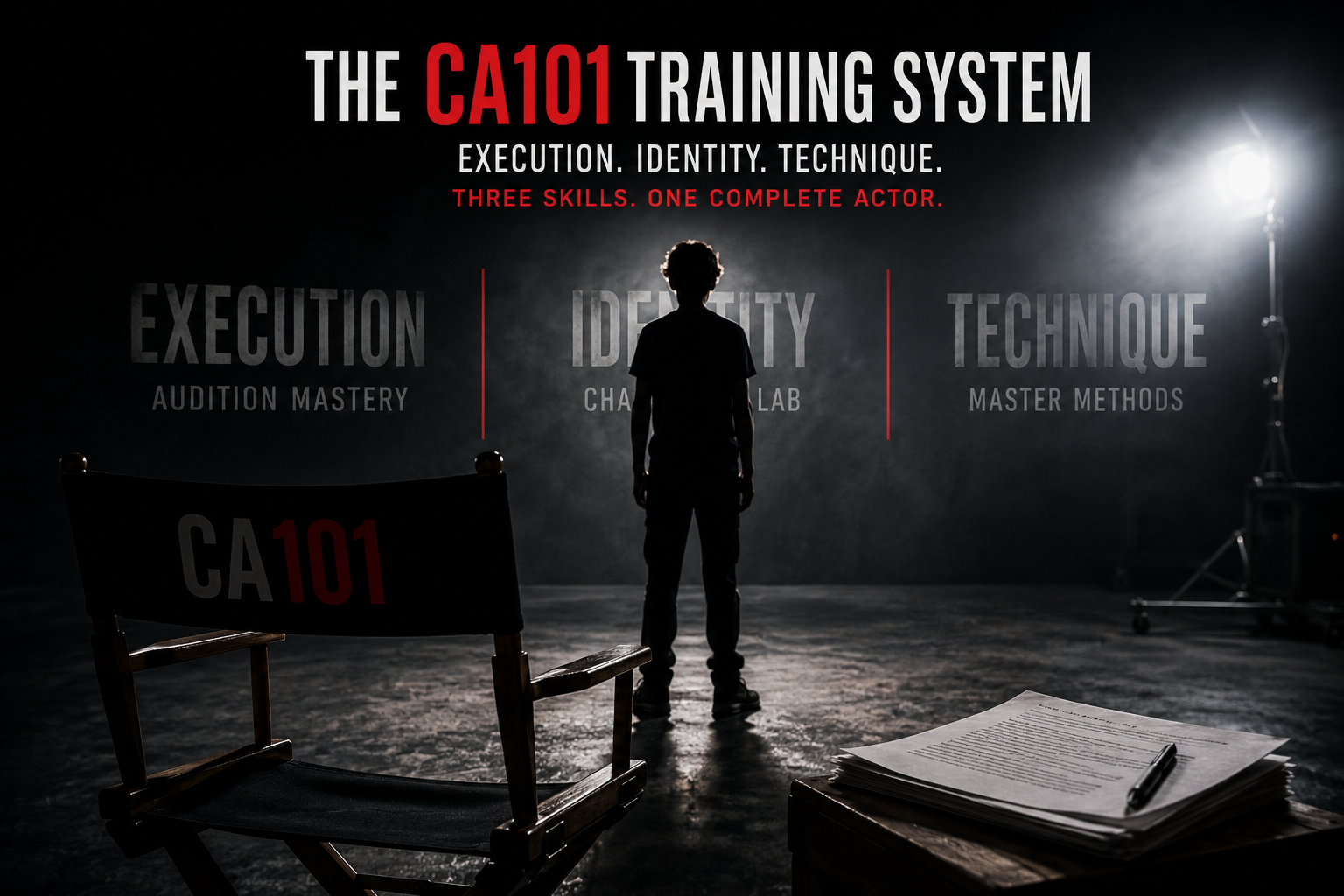
That’s why I completely redesigned the training structure and created the CA101 Training System.
The Problem With Traditional Actor Training
Most actor training looks something like this:
Take a scene study class.
Take an improv class.
Maybe add a workshop.
Try a new coach.
Take another class.
Repeat.
The result?
Many actors stay busy but never develop a clear roadmap.
Parents spend thousands of dollars on training and still aren’t sure what is actually improving.
Actors often end up with pieces of the puzzle without understanding how everything fits together.
I wanted to create something different.
Not another collection of random classes.
A system.
Three Skills Every Serious Actor Needs
After years of coaching actors, managing talent, and watching young performers navigate the industry, I noticed something interesting.
Nearly every challenge an actor faces can be traced back to one of three areas:
Execution
Can the actor perform when it matters?
Can they handle the pressure of auditions, callbacks, self-tapes, and fast turnarounds?
Can they consistently make strong choices under pressure?
Identity
Why would casting remember them?
What makes them different from the dozens—or hundreds—of similar submissions?
What is their unique on-camera identity?
Technique
When the material becomes challenging, do they have a process?
Do they understand how to build a character?
Can they repeat strong work consistently?
These three areas became the foundation of the CA101 Training System.
Pillar One: Audition Mastery
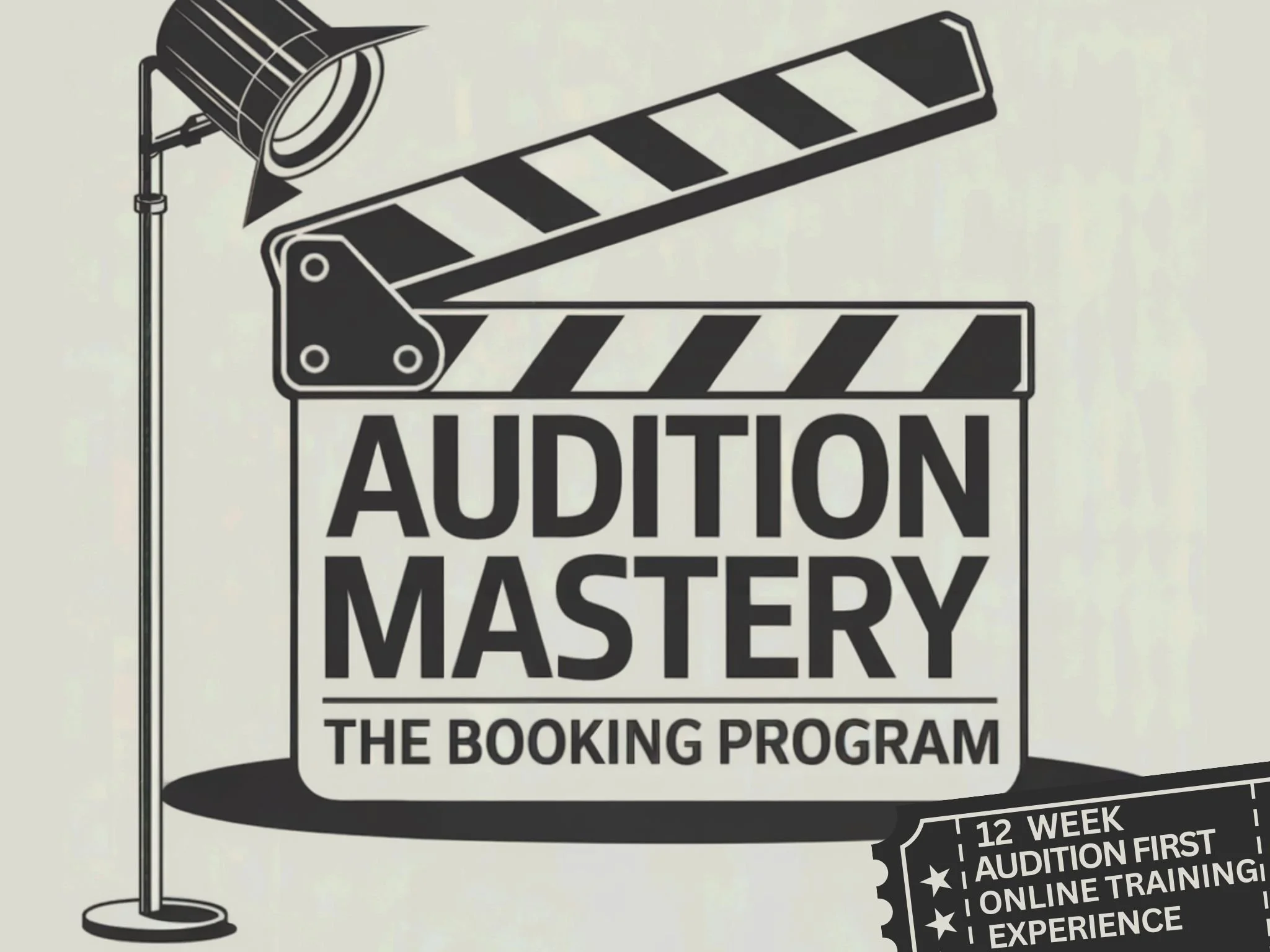
Audition Mastery is our Execution Engine.
This is where actors and parents get honest answers about where they are right now.
Through self-tape assignments, evaluations, and a mock series regular callback final, actors receive real feedback on their strengths and weaknesses.
More importantly, families leave with a plan.
Not guesses.
Not vague encouragement.
A plan.
The outcome is greater clarity, stronger auditions, and a strategic direction moving forward.
Pillar Two: Character Lab
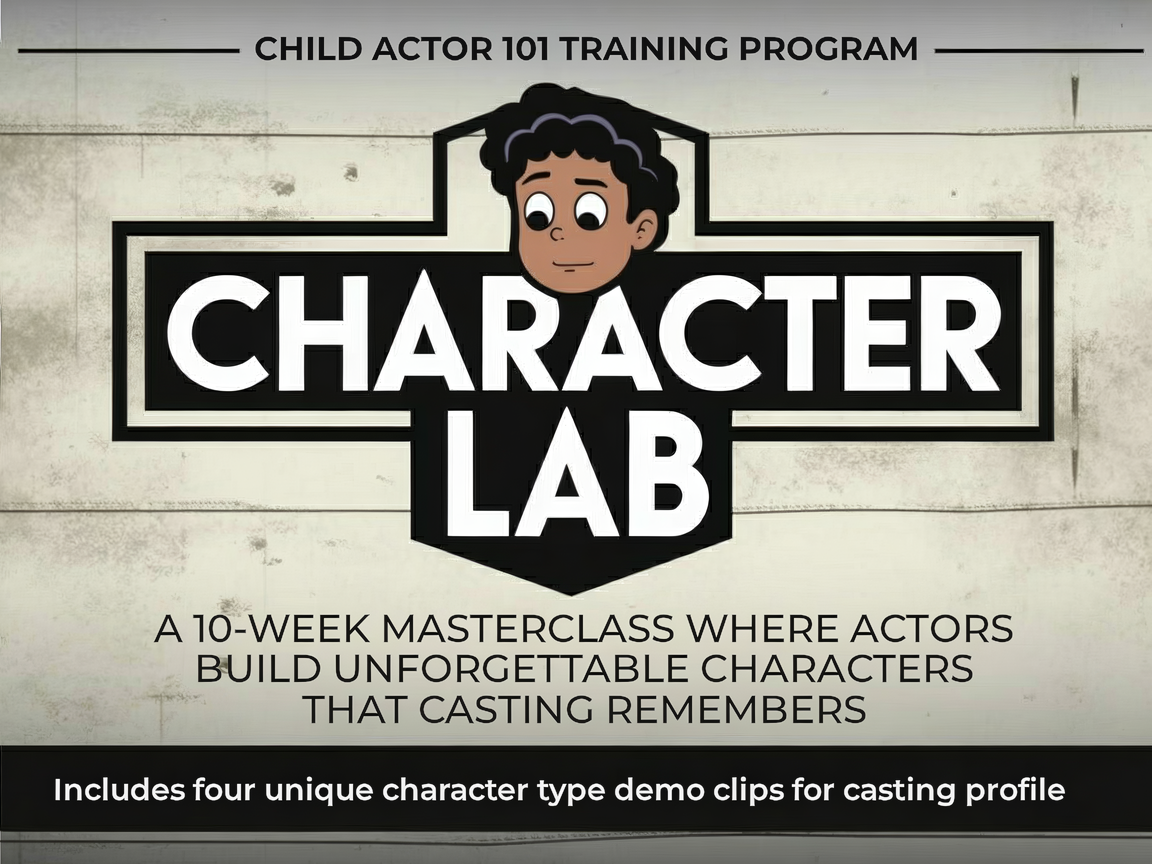
Character Lab is our Identity Engine.
This is often the missing piece for actors who are consistently told they’re talented but aren’t seeing momentum.
Good actors can still blend in.
Memorable actors stand out.
Character Lab focuses on:
Type
Specificity
Bold choices
On-camera presence
Castability
Actors discover what makes them uniquely marketable and learn how to lean into their strengths.
They also leave with four custom mini demo reel clips built around the type and strengths uncovered during the program.
Because understanding your identity is valuable.
Being able to demonstrate it is even more valuable.
Pillar Three: Master Methods
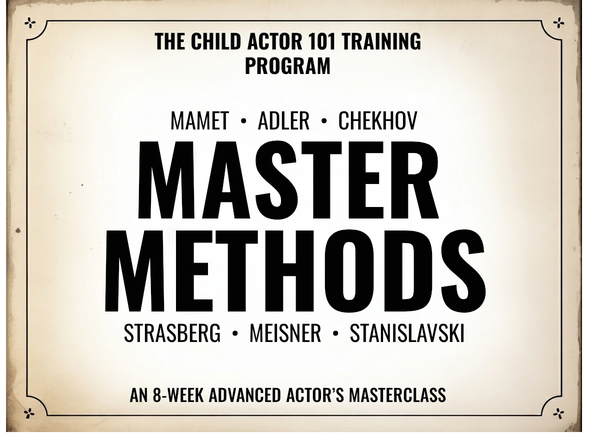
Master Methods is our Technique Engine.
This is our most advanced and selective offering.
Actors entering Master Methods have already begun developing either execution or identity. Now they are ready to deepen their craft.
The course explores foundational approaches inspired by:
Stanislavski
Meisner
Adler
Strasberg
Chekhov
Mamet / Practical Aesthetics
Not as academic theory.
As practical tools young actors can actually use.
Students develop process, technique, and deeper artistic understanding while creating two polished custom self-tape scenes designed for professional use.
One dramatic.
One comedic.
Both tailored to showcase the actor’s strengths.
Success Stories
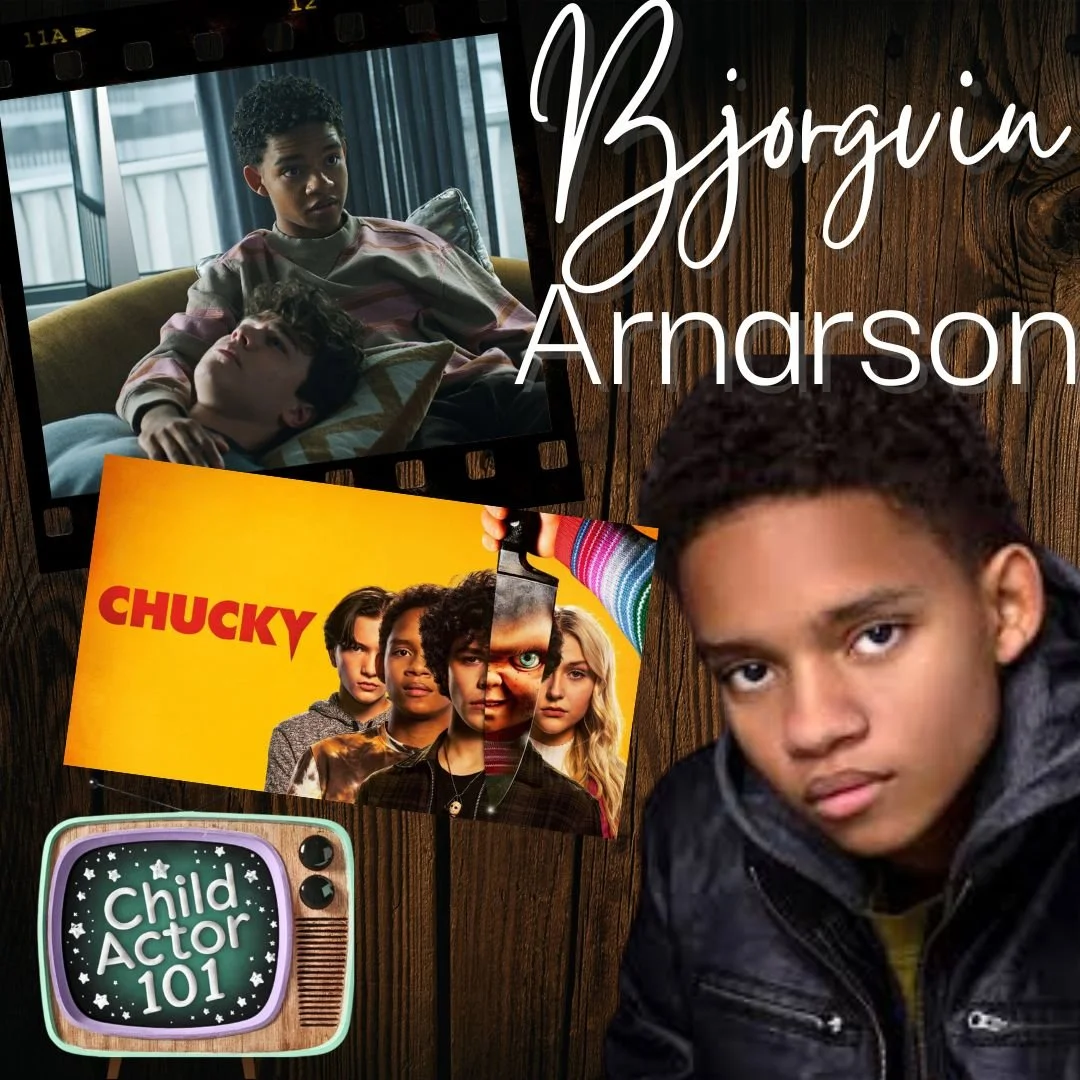
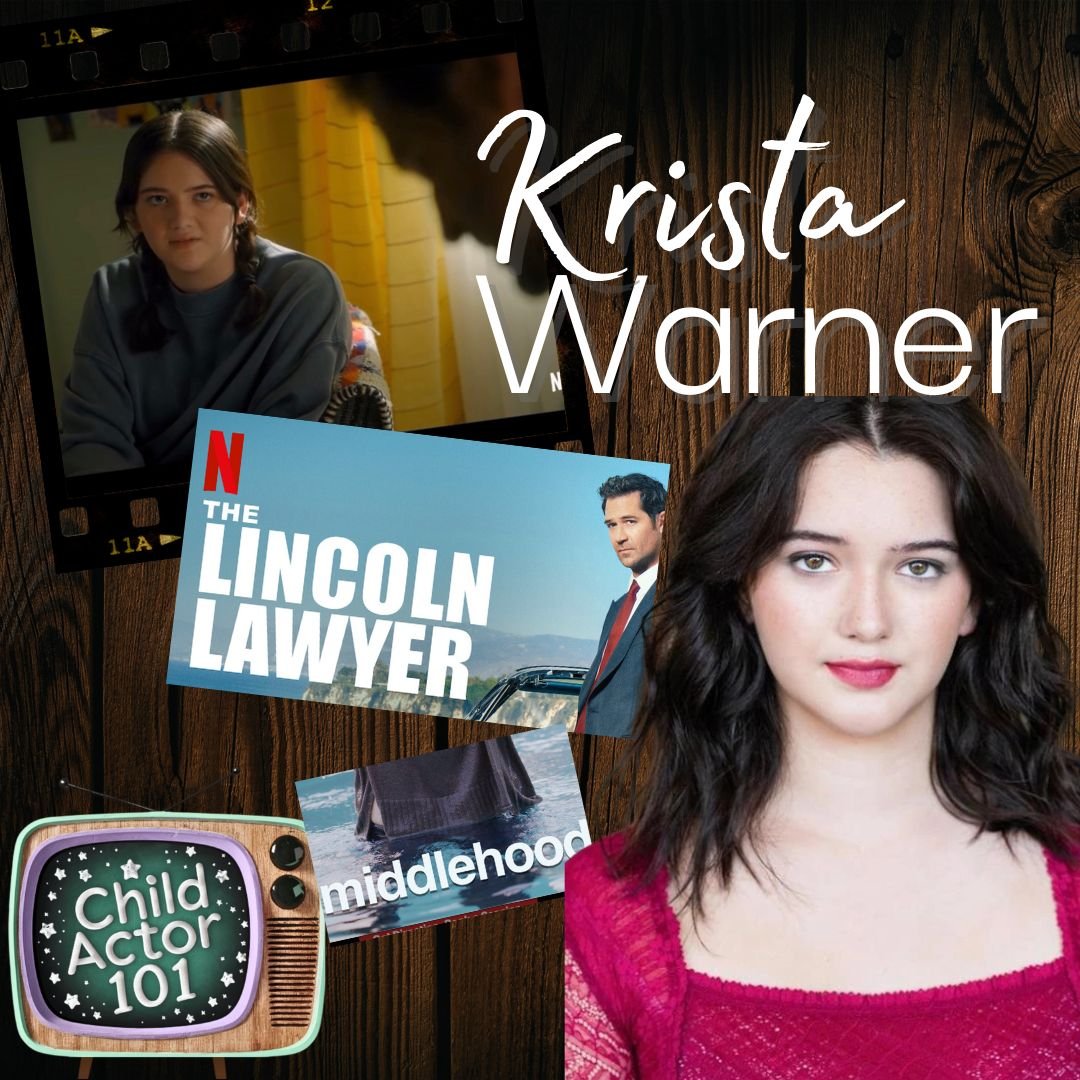
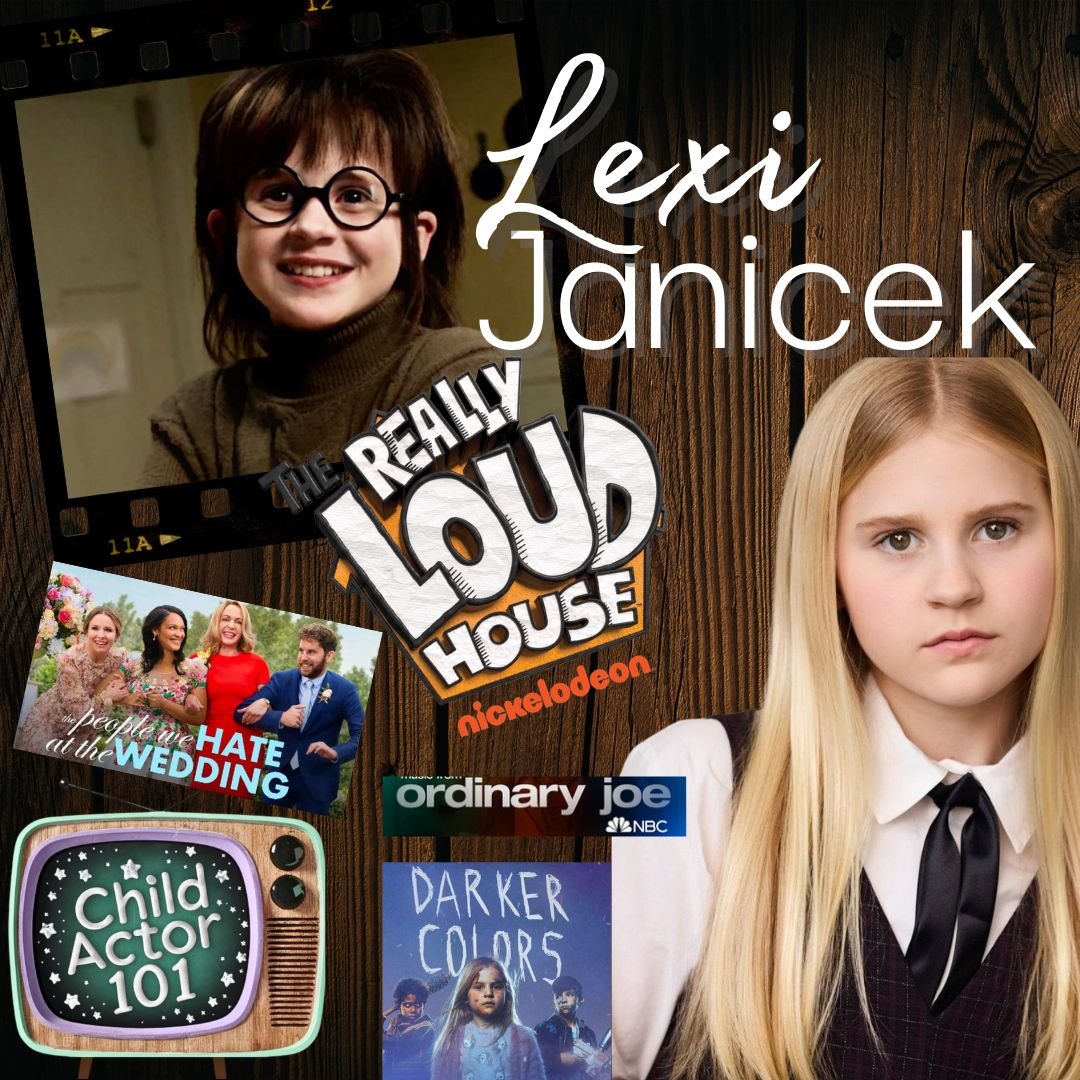
A handful of previous and current young actors who have studied with Corey Ralston.

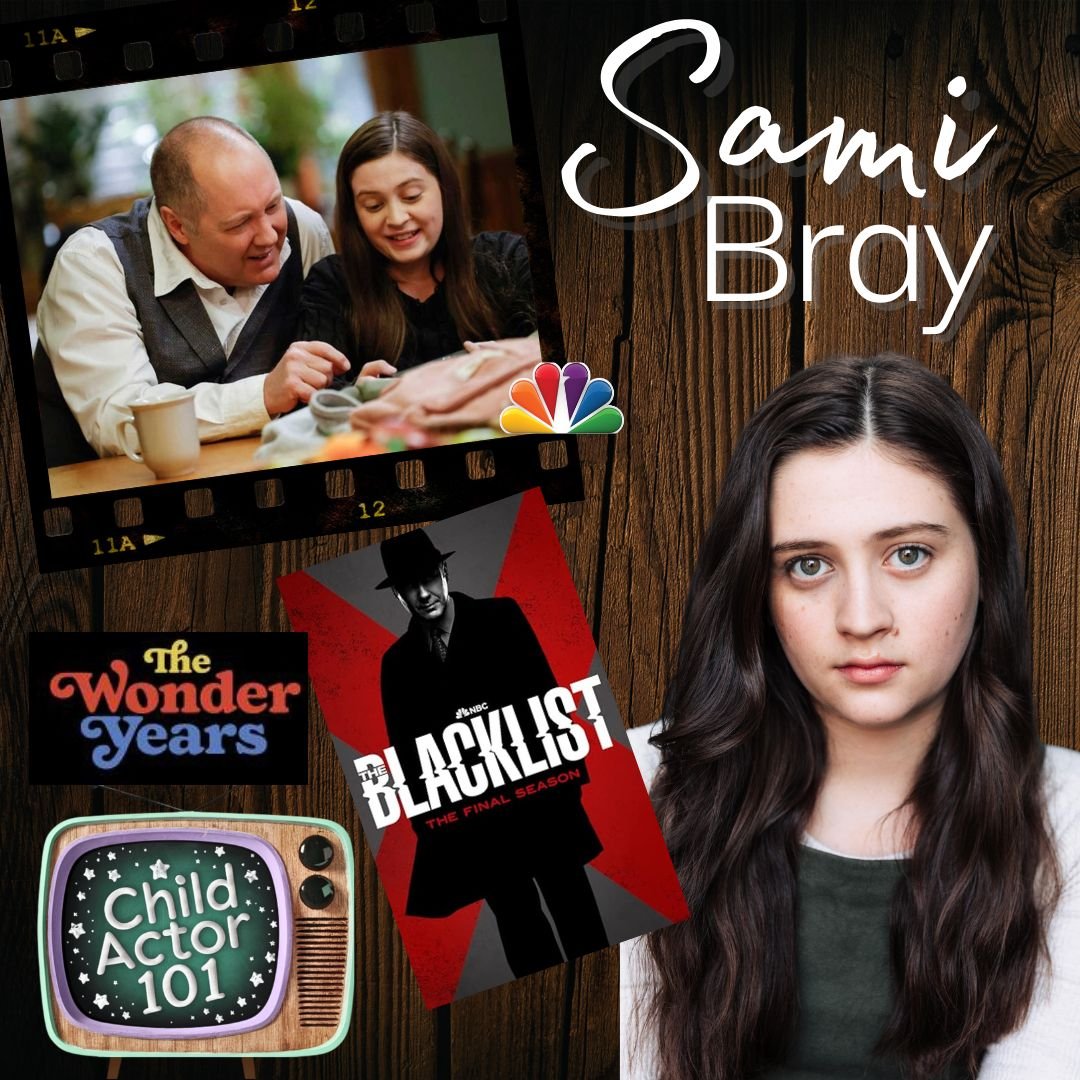


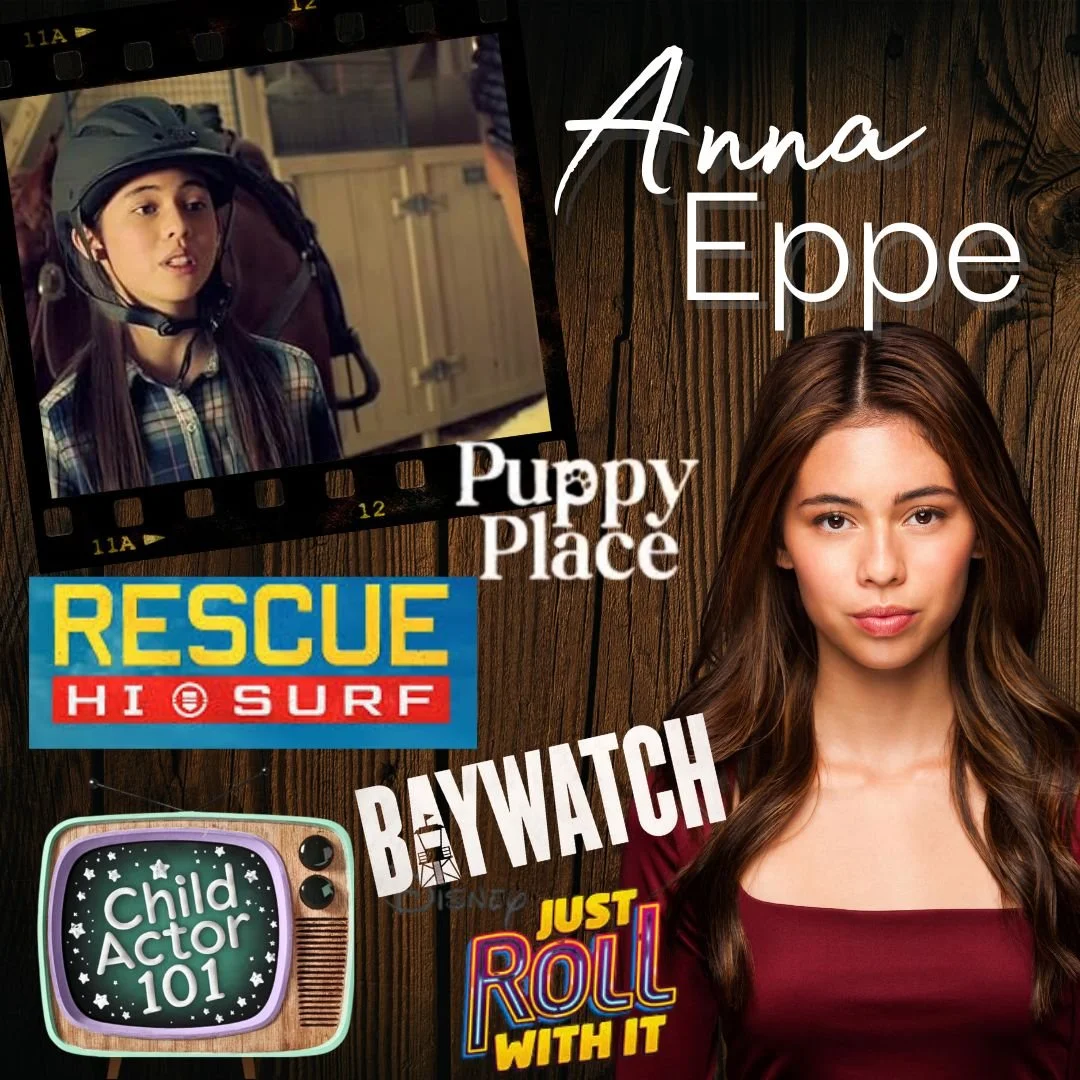
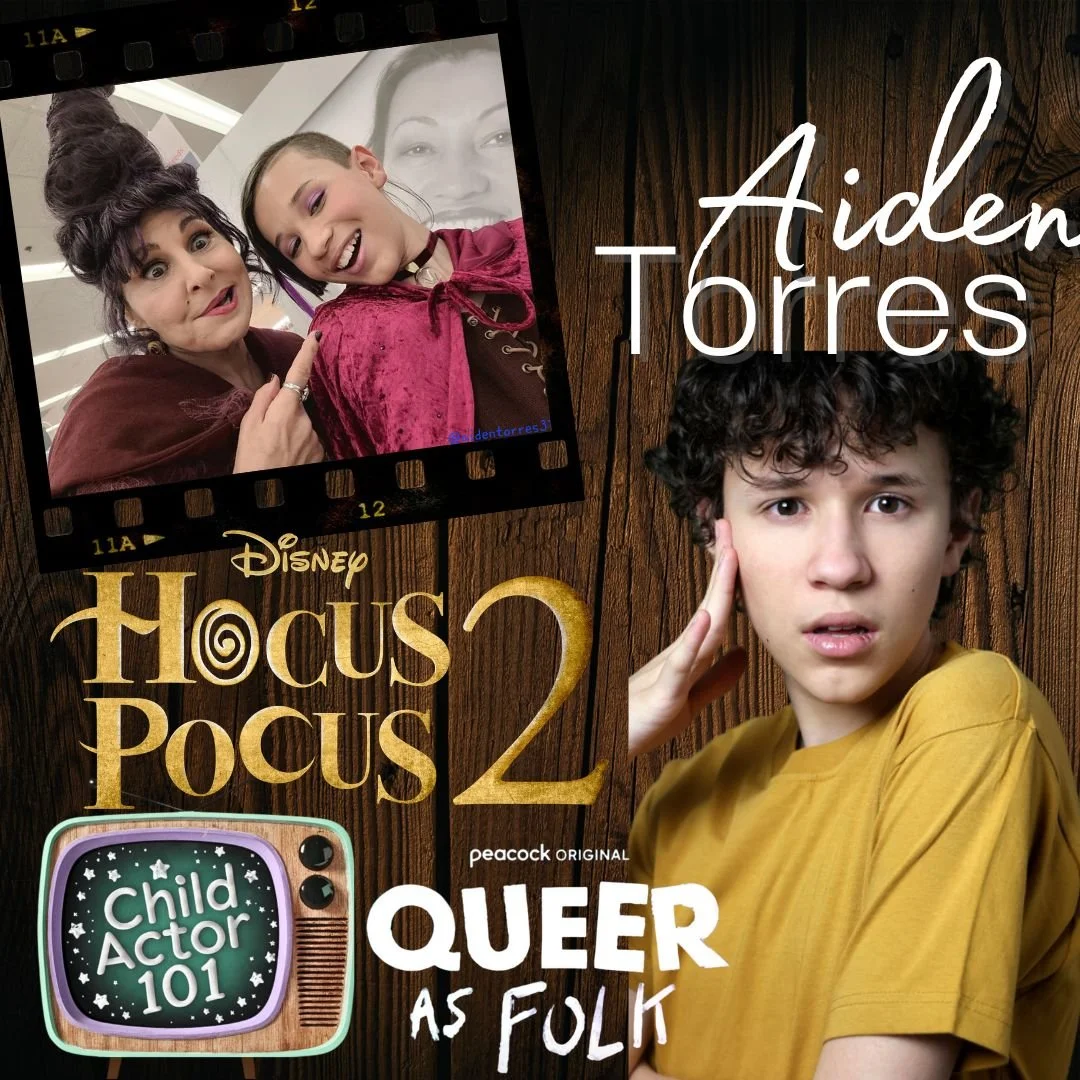
Why We Require A Foundation First
One of the most important decisions we made was requiring actors to complete either Audition Mastery or Character Lab before enrolling in Master Methods.
Why?
Because technique alone isn’t enough.
An actor can understand acting theory and still struggle in auditions.
An actor can be talented and still blend into the crowd.
Execution.
Identity.
Technique.
They work together.
Professional actors need all three.
Live Online Training Designed For Working Young Actors
All CA101 Training Program classes are taught live by Corey Ralston via Zoom in intentionally small groups to maximize participation, feedback, and individualized coaching. Students train alongside actors in their own age group (8–11 or 12–17) and meet weekly for one-hour sessions, typically held at 4:30 PM Pacific. Every class is recorded and accompanied by lesson materials and assignments, making it easy for actors to stay on track even when auditions, callbacks, bookings, or family schedules cause them to miss a session. The result is a training experience that is both rigorous and flexible—built for the realities of today’s working young actor.
The Long-Term Vision
The CA101 Training System isn’t built around beginner, intermediate, or advanced labels.
It’s built around development.
Actors may start in different places.
Some need clarity.
Some need identity.
Some need stronger auditions.
But ultimately, every serious actor is encouraged to complete all three pillars.
Because the goal isn’t simply to take classes.
The goal is to become the kind of actor who understands how to audition, how to stand out, and how to work.
That is the standard we’re building toward.
A generation of young actors who possess the execution, identity, and technique necessary to compete professionally.
Because talent has never been the problem.
Clarity, specificity, and process are.
And that’s exactly what the CA101 Training System was designed to solve.