Self-Tapes: What Should My Child Do When There Are a Lot of Lines for Other People?
This comes up all the time.
A parent looks at the audition sides and says,
“There’s this long stretch where my child doesn’t talk… should we just skip ahead to their next line?”
Short answer?
No.
Because if your child only exists when they’re speaking… they’re not really in the scene.
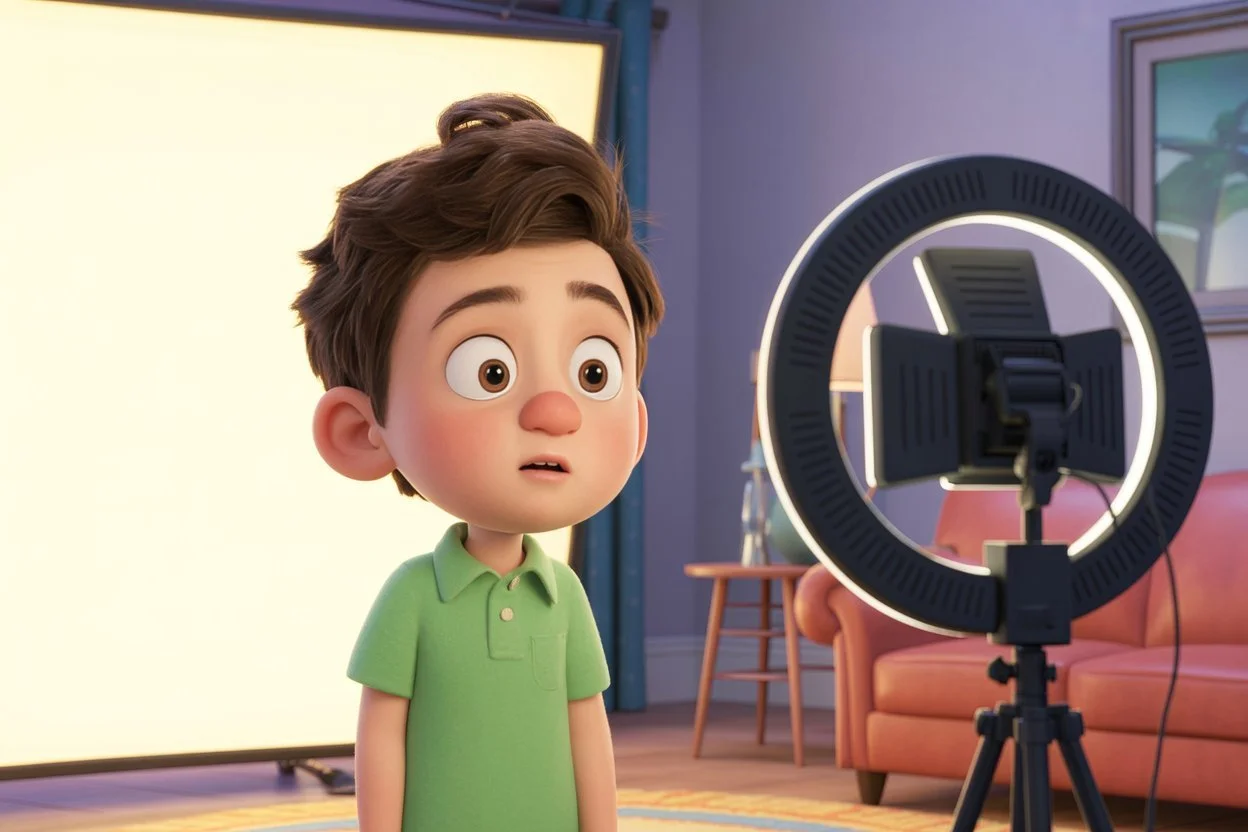
A Scene Isn’t Just About Talking
This is where a lot of young actors get tripped up.
They treat the scene like a sequence of lines to deliver, instead of something to live through.
But most of life doesn’t happen when we’re talking. It happens in the listening. The thinking. The reacting. The adjusting.
If your child is just standing there waiting for their next cue, it feels exactly like what it is—someone waiting for their turn.
And that’s not acting.
I say this all the time, and I mean it:
If you’re only focused on dialogue, you might as well be doing voiceover.
On camera, we’re watching what’s happening between the lines.
If It’s in the Sides, It’s There for a Reason
Casting cuts sides all the time.
So if they didn’t remove that section?
They want to see your child in it.
They’re not just evaluating how your child delivers a line. They’re watching how your child exists in the scene. Who they are when they’re not speaking. Whether they feel like part of the world or just someone who pops in, says something, and disappears again.
That quiet stretch where your child doesn’t talk?
That’s not empty space. That’s opportunity.
So What Should They Actually Be Doing?
They should be living.
Not performing. Not “adding reactions.” Not trying to show us they’re acting.
Just… living in the moment of the scene.
They should be listening like what’s being said actually matters. You want to see thoughts landing, shifting, building. Not just polite waiting.
They should feel connected to where they are. A kitchen doesn’t feel like a classroom. A hospital doesn’t feel like a backyard. That environment should subtly shape how they exist—how they hold themselves, where their attention goes, how comfortable or uncomfortable they feel.
And they should be doing something.
Not something busy. Not something distracting. Just something human.
Nobody stands perfectly still, staring at someone, doing nothing until it’s their turn to speak. We fold things. We clean. We scroll. We pace. We organize. We exist while life is happening.
Give your child a simple, believable task that fits the moment, and suddenly everything feels more grounded.
Let Go of the “I Have to React to Everything” Trap
This is a big one, especially for younger actors.
The camera is on their face, and they feel like they need to show a reaction to every single line.
So you get a lot of nodding, eyebrow movement, forced expressions—like they’re trying to prove they’re paying attention.
It reads as effort.
Here’s the shift:
You don’t need a reaction for everything.
You need listening. You need thought.
If something truly affects your character, the reaction will happen. You don’t have to manufacture it.
Sometimes the most compelling thing your child can do is simply take something in… and let it land.
They Don’t Have to Be Glued to One Spot
A lot of kids lock into one position and stay there like they’re afraid to move.
That’s not how people behave.
As long as we can see them clearly, let them move the way they naturally would in that space. Shift positions. Sit. Stand. Cross a few steps. Engage with the environment.
Stillness is fine when it’s motivated.
Frozen is not.
A Quick Reset Before You Hit Record
This part alone will save you time and elevate the tape immediately.
Before filming, take a minute together and map it out.
Where is everyone in the scene?
Who are they talking to, and where are those people in the space?
What is your child doing while this is happening?
What’s going on for them in this moment?
You don’t need a full breakdown. Just a clear picture.
That clarity shows up instantly on camera.
“Can We Just Film All the Scenes Together?”
I get why this question comes up.
It feels faster. More efficient. Less stopping and starting.
But no—don’t do it.
Each scene is its own moment.
Something different is happening emotionally. The stakes shift. The relationships shift. The objective changes.
Your child needs a second to step into that moment.
When you roll everything straight through, it all starts to feel the same. The performance flattens out.
Same reason I like slates filmed separately.
Each piece deserves its own focus.
Every Scene Has Its Own Answers
Even a quick pass at this makes a difference.
Who am I in this moment?
Where am I?
What just happened before this?
What do I want right now?
This is where I always come back to Uta Hagen’s work. You don’t need to go deep into theory, but having those answers—even loosely—gives your child something real to hold onto.
And when they have something real… they stop “acting” and start behaving.
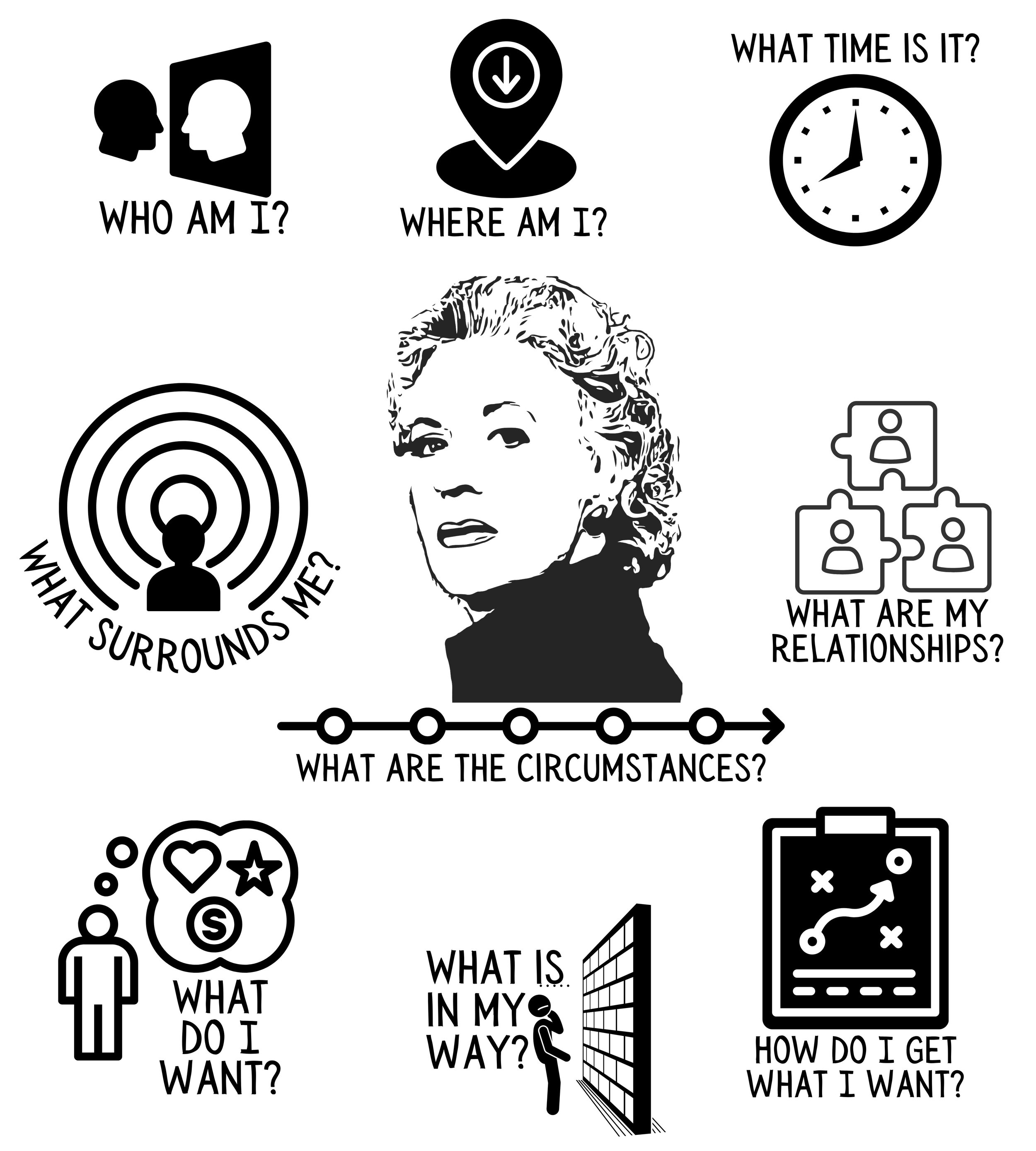
Uta Hagen’s Nine Questions are GOLD!
Every scene study class at Child Actor 101 uses these questions as the basis for understanding your scene, character and the moment. Join us for the next class!
Final Thought
If your child disappears when they’re not speaking, casting only sees half the performance.
But when they stay engaged—listening, thinking, existing in the moment—the whole scene comes alive.
And suddenly, your child isn’t just saying lines.
They’re part of the story.